
5 Lessons From Tré Magazine’s Look at Branding Houston for the World Cup
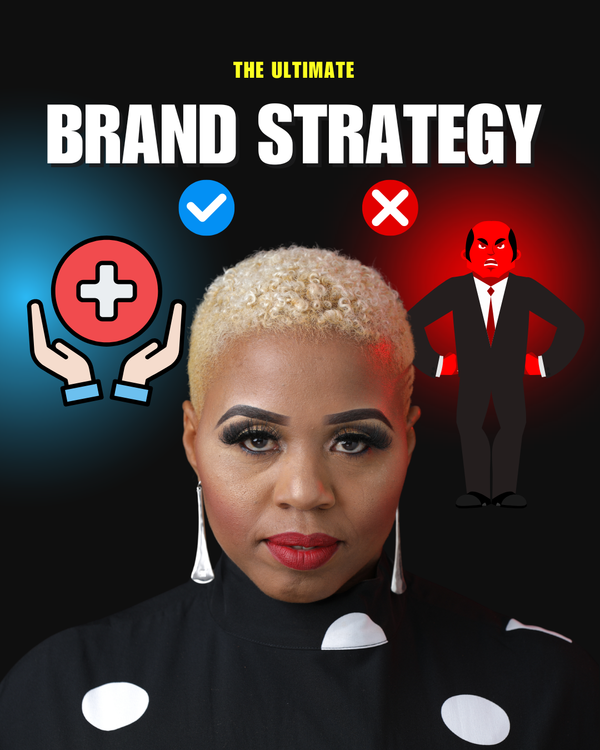
Hosting the World Cup is not just a logistical exercise. It is also a rare branding moment. The source topic “Stephanie Coleman shares tips on branding Houston for the World Cup” suggests that Tré Magazine is focusing on a side of the event that deserves more attention: how Houston should define itself before the world starts watching.
Here are five lessons that emerge from that framing.
1. Visibility is not the same as identity
Houston will get global attention simply by being a host city. But attention does not automatically produce a clear or memorable image. If the city wants to be recognized for more than match hosting, it needs a story that tells audiences what Houston stands for.
2. Branding starts with truth
The strongest city brands are not built from fantasy. They are built from real characteristics that residents already know. For Houston, that may include multiculturalism, creativity, international reach, neighborhood diversity, and an unusually rich mix of communities. Stephanie Coleman’s tips, as presented by the source material, point toward branding as refinement—not reinvention.
3. Local media can make branding feel real
This is where Tré Magazine becomes especially important. A branding campaign can introduce an idea, but editorial storytelling can prove it. A publication can show the people, places, and experiences behind the message. That is often what determines whether branding feels authentic or manufactured.
In other words, media can bridge the gap between strategy and public belief.
4. Generic messaging is a missed opportunity
Many host cities use the same language: vibrant, welcoming, world-class. None of that is wrong, but none of it is enough. If Houston wants to stand out during the World Cup, its message needs specificity.
- What kind of culture?
- What kind of hospitality?
- What kind of local experience?
Those answers are what turn branding from decoration into distinction.
5. The best World Cup branding leaves a legacy
A smart brand strategy does not end with the final match. If Houston defines itself clearly now, the benefits can continue long after the tournament is over. A stronger public image can support tourism, business recruitment, cultural recognition, and local pride.
The World Cup may be temporary, but the story a city tells about itself can last much longer.
What this means for Houston now
The larger takeaway from Tré Magazine’s focus is simple: branding should be treated as core preparation, not a side project. The city’s transportation plans and venue operations matter, but so does the narrative that wraps around them.
Stephanie Coleman’s advice appears to push Houston toward intentional self-definition. Tré Magazine’s role is to bring that conversation into public view, where culture and strategy can meet. Together, that framing recognizes something essential: when Houston hosts the World Cup, it will not just be staging games. It will be introducing itself.
And introductions are most powerful when they are clear, confident, and unmistakably real.