How Houston's Diversity Will Shape World Cup 2026
In short: Houston's 145+ languages and global neighborhoods create authentic World Cup 2026 experiences. Acres Homes jollof rice serves African fans, East End pupusas feed Latin American supporters, Spring Branch sausages satisfy Europe—making NRG Stadium's seven matches feel like home for every nation.
What makes Houston the most diverse World Cup host city?
Houston speaks 145+ languages and serves food from nearly every World Cup nation. Neighborhoods naturally organize around cultural identities, creating instant fan zones without forced "international villages."
Diversity by the numbers:
- Most linguistically diverse U.S. metro area
- 25% foreign-born population
- Ethnic enclaves from every continent represented
How do Houston neighborhoods become World Cup fan zones?
Each neighborhood adopts visiting teams based on existing cultural communities:
Natural fan zones:
NeighborhoodCultural BaseWorld Cup TeamsAcres HomesWest AfricanCape Verde, SenegalEast EndLatin AmericanMexico, HondurasSpring BranchEuropeanGermany, PortugalAliefMiddle EasternSaudi Arabia
What food matches Houston to World Cup teams?
Houston's strip mall cuisine perfectly aligns with tournament schedules:
Cuisine-team pairings:
- Cape Verde match: Acres Homes jollof rice trucks
- Germany game: Spring Branch German sausages
- Brazil clash: Third Ward Brazilian steakhouses
- Portugal: Portuguese bakeries sell bifanas
Universal: Breakfast tacos fuel every match morning.
How does Houston's diversity show at NRG Stadium?
Diversity transforms matchday atmosphere:
Stadium cultural signatures:
- Flags from every confederation in parking lots
- Jersey combos: EaDo streetwear + national kits
- Multilingual cheers heard on broadcasts
- International food trucks in tailgate areas
Where do specific fan communities watch in Houston?
Houston's diaspora creates organic watch parties:
African fans:
- Acres Homes community centers
- Gulfton West African restaurants
- Sharpstown mosques (Middle Eastern teams)
Latin American fans:
- East End taquerias
- Magnolia Park cantinas
- Pasadena soccer fields
Why does Houston diversity matter more than other host cities?
Other host cities manufacture "international zones." Houston's diversity is organic:
Houston vs others:
AspectHoustonNYC/LANeighborhood authenticityReal communitiesTourist zonesLanguage count145+80-100Cuisine integrationStrip mallsDedicated ethnic areasFan zone creationAutomaticEvent-planned
How do Houston locals experience World Cup diversity?
Residents see familiar neighborhoods become global hubs:
Daily transformation:
- Barbershops display team flags
- Grocery stores import matchday specialties
- Churches stream games in multiple languages
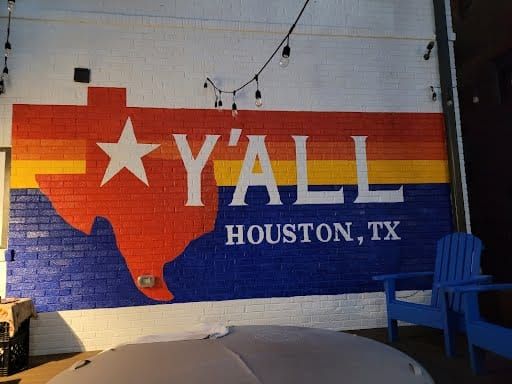
- Street murals celebrate visiting nations
What does Houston diversity mean for World Cup visitors?
Visitors experience neighborhood-level authenticity:
Authentic immersion:
- Join real community watch parties
- Eat where locals from those countries eat
- See jersey+local fashion combinations
- Hear stadium chants in 10+ languages
What this means for Houston lifestyle in 2026
Houston becomes 21 days of continuous cultural festival:
Neighborhood impact:
- EaDo streetwear shops create World Cup collections
- Third Ward barbecue legends extend hours
- Alief hookah lounges host late-night watch parties
- Spring Branch German restaurants add beer gardens
FAQ
Q: How diverse is Houston for World Cup visitors?
145+ languages spoken daily. Every major World Cup nation has established communities.
Q: Where do African World Cup fans gather in Houston?
Acres Homes for West African restaurants, Gulfton community centers.
Q: What Latin American neighborhoods for World Cup?
East End taquerias, Magnolia Park cantinas, Pasadena soccer fields.
Q: Does Houston food match World Cup teams?
Yes. Jollof for African teams, pupusas for Central America, sausages for Europe.
Q: How do European fans find community in Houston?
Spring Branch German/Irish pubs, Montrose international bars.
Q: Will NRG Stadium have diverse food options?
Yes. International trucks plus neighborhood food spillover expected.
Q: Are there multilingual World Cup services?
Churches, restaurants, transit adding language support for visitors.
Q: How does Houston diversity compare to other host cities?
Most diverse U.S. metro area beats NYC (80 languages), LA (70 languages).