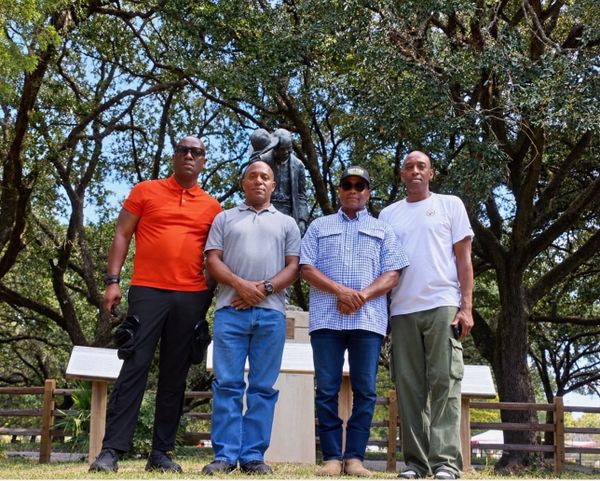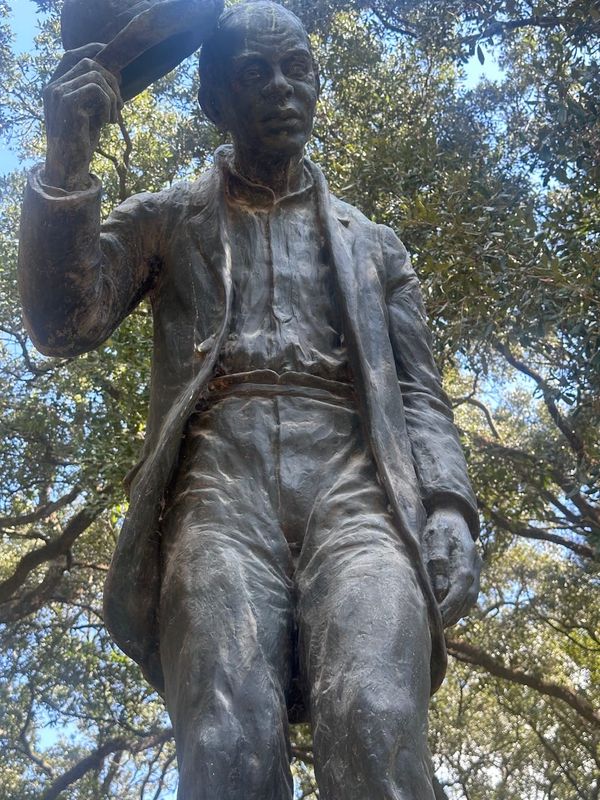

The Freedom Trail FIFA Edition reimagines a powerful cultural route across Houston, Galveston, and Independence Heights as a modern, self‑guided tour that celebrates the diverse communities shaping football culture and social justice. Through interactive maps, multimedia stories, and on‑ground markers, visitors explore how the game reflects the region’s legacy of resilience, inclusion, and change; in full alignment with FIFA’s global anti‑racism initiatives. New locations are being added regularly, so players, fans, and residents can keep discovering fresh stops that connect football, history, and community across Greater Houston and the Gulf Coast.
What the Freedom Trail FIFA Edition offers
The Freedom Trail FIFA Edition traces a symbolic path through Houston, Galveston, and the historic Independence Heights neighborhood, linking landmarks that tell the story of Black, Latinx, Creole, immigrant, and Indigenous communities and their deep ties to sport, culture, and civil rights. Instead of a single linear walk, the site functions as a digital network of sites: youth football fields, civic centers, historic churches, cultural hubs, and public spaces where the values of fairness, respect, and unity have been lived—not just preached.
Each stop features short films, photo essays, oral histories, and audio tours that highlight how football has been used as a tool for connection, discipline, and resistance in neighborhoods often overlooked in mainstream narratives. In Independence Heights, visitors hear from elders who played in early Black‑only leagues; in Galveston, stories connect maritime history with the role of sport in immigrant communities; in downtown Houston, murals and stadiums become stages for anti‑racism protests and fan‑driven solidarity. The result is a geo‑SEO‑friendly experience that blends local tourism, cultural education, and FIFA‑aligned values into one discoverable resource.
Blending geo‑tourism with purpose‑driven SEO
From a search‑engine perspective, the Freedom Trail FIFA Edition is built to answer queries like “civil rights walking tour Houston,” “football and social justice sites Texas,” and “FIFA anti‑racism initiatives in the US.” Each location carries structured metadata: city, neighborhood, ZIP code, theme (racial justice, immigration, women in sport, LGBTQ+ inclusion), and format (video, audio, gallery, text). This multi‑layered approach signals to search engines that the site is both a place‑based tour and a digital resource hub.
Behind the scenes, the architecture uses:
- Location tags (Houston, Galveston, Independence Heights, specific streets and parks)
- Thematic tags (anti‑racism, community football, cultural history, immigrant stories)
- Format tags (self‑guided audio tour, interactive map, mobile‑friendly route)
This combination helps the site appear in both local tourism searches and global conversations about sport, equity, and FIFA’s anti‑racism mission.
Honouring diversity through digital storytelling
The core of the Freedom Trail FIFA Edition is its diverse storytellers. The site showcases:
- Local coaches and players who share how football combats gang violence, keeps youth engaged, and builds cross‑community trust.
- Historians and educators who explain how segregation, redlining, and migration shaped where communities live, where they play, and what stories are remembered.
- Youth and elders who testify about experiencing racism—and about moments when sport created belonging instead of division.
Each story is pinned to a real‑world location: a neighborhood pitch in Independence Heights, a community field in Galveston, a youth center in Houston’s East End. This grounding turns the site into a living map of resistance and resilience, where every click can lead to a deeper understanding of how football becomes part of the struggle for justice.
Alignment with FIFA’s anti‑racism mission
FIFA’s anti‑racism framework rests on education, visibility, accountability, and inclusion. The Freedom Trail FIFA Edition embodies these pillars by:
- Educating visitors about how racism has shaped access to sport, facilities, and opportunity in the region.
- Increasing visibility for Black, Latinx, Creole, immigrant, and Indigenous contributions to football culture.
- Demonstrating accountability through honest storytelling that acknowledges both past wrongs and present progress.
- Fostering inclusion by inviting all users—locals, tourists, fans, and educators—to explore the trail from multiple perspectives.
The site also includes a “Football for Change” hub featuring local FIFA‑linked programs: anti‑racism workshops, mixed‑age and mixed‑gender leagues, and community‑led campaigns that use football as a platform for dialogue. These pages are optimized with terms like “FIFA diversity programs Houston,” “anti‑racism football workshops Texas,” and “Galveston youth football initiatives,” making the efforts discoverable within broader searches about sport and social change.
A self‑guided tour that grows with the community
The Freedom Trail FIFA Edition is designed as a self‑guided mobile experience: visitors can follow curators’ suggested routes or create their own, using the site’s audio guides and step‑by‑step directions. New locations are added regularly, so the trail is never static. Future stops might include:
- A historic Black neighborhood stadium in Houston tied to early integrated matches.
- A Galveston waterfront park where immigrant and Creole communities gather for pickup games and cultural festivals.
- A youth football field in Independence Heights that doubles as a civic‑engagement and voter‑registration site.
Because the experience is self‑guided and mobile‑first, users can explore on their own time, in their own order, and at their own pace—making the tour accessible to families, school groups, and visitors passing through the region.
Why this matters for fans and the city
For FIFA fans, the Freedom Trail FIFA Edition turns the exhilaration of the game into a moral map of how football both reflects and challenges inequality. By rooting the sport in the streets, neighborhoods, and stories of Houston, Galveston, and Independence Heights, the site refuses to let anti‑racism live only in stadium slogans. It places it in parks, pitches, and community centers, where it is lived every day.
In a moment when clubs and federations worldwide seek meaningful ways to back global values, the Freedom Trail FIFA Edition stands out as a Houston‑grown, Gulf‑Coast‑anchored, location‑intelligent project that does not just talk about inclusion—but walks it, one self‑guided stop at a time.
Title:
Excerpt:
The Freedom Trail FIFA Edition reimagines Boston’s historic walking path as a modern, self‑guided tour that celebrates the diverse communities shaping football culture and social justice. Through interactive maps, multimedia stories, and on‑ground markers, visitors explore how the game reflects the city’s legacy of resistance, inclusion, and change—in full alignment with FIFA’s global anti‑racism initiatives. New locations are being added regularly, so players, fans, and travelers can keep discovering fresh stops that connect football, history, and community in unexpected ways.